


In a significant push towards sustainable urban transport, Delhi Chief Minister Rekha Gupta on Tuesday inaugurated 40 brand-new electric buses while unveiling the sleek, upgraded Azadpur DTC bus terminal. This dual launch isn't just about adding vehicles or sprucing up a depot—it's a clear signal of the capital's commitment to cleaner air and smoother rides for millions of daily commuters. As Delhi grapples with rising pollution and traffic woes, these moves could mark a turning point in how the city moves.
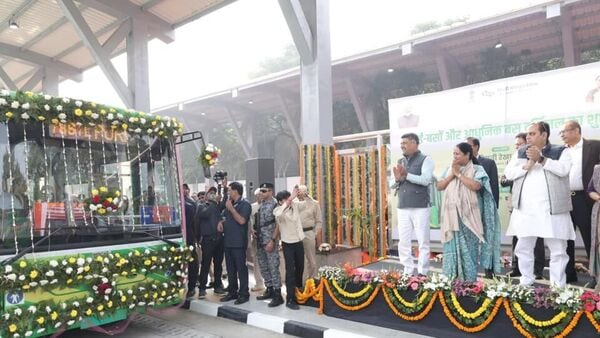
Picture this: Forty shiny electric buses gliding silently through Delhi's chaotic streets, zero tailpipe emissions in tow. That's the reality now, thanks to the latest addition to the Delhi Transport Corporation's (DTC) growing green armada. Flagged off by CM Gupta herself, these buses are set to weave into the daily grind, offering eco-friendly alternatives to the usual diesel chuggers.
What makes this rollout even more impressive? The current administration has managed to deploy a whopping 1,400 electric buses in just eight short months. To put that in perspective, the previous government took over a decade to add around 2,000 buses to the fleet—many of them far from green. "The public chose change, and the government has converted that mandate into development and service," Gupta remarked during the event, her words underscoring the rapid shift underway.
These aren't your average EVs either. Designed for Delhi's demanding routes, they promise quieter cabins, better air quality inside and out, and tech features like real-time tracking to keep passengers in the loop. As electric vehicle adoption surges across India, this infusion is a timely boost for a city that's long been synonymous with smog alerts.
Nestled right by GT Karnal Road and linked seamlessly to the Azadpur Metro Station via a pedestrian overbridge, the revamped terminal is no longer the cramped pit stop it once was. Spanning a generous 2,616 square meters, the facility now boasts three smart entry gates and can park six buses at once. During rush hour, it handles a staggering 72 buses per hour—with a strict five-minute turnaround to keep things flowing.
Over 116 buses, predominantly electric, will fan out from here across 21 key routes, connecting neighborhoods from North Delhi to beyond. But it's the thoughtful upgrades that really steal the show: Shaded platforms for those brutal summer waits, solar panels powering the whole setup, bio-digesters for waste management, and a network of CCTV cameras for added security. There's even a dedicated baby-feeding room, bus pass counters, secure lockers, and utility spots—details that scream "passenger-first."
The makeover, spearheaded by the Delhi Metro Rail Corporation under a special MoU with DTC, transforms what was a bottleneck into a beacon of efficiency. Transport Minister Pankaj Kumar Singh couldn't hide his enthusiasm: "This revamped Azadpur Terminal marks an important step in reinforcing Delhi’s public transport infrastructure." It's the kind of upgrade that doesn't just look good on paper—it feels like a breath of fresh air when you're dodging the morning crowd.
Stepping back, these developments are more than infrastructure tweaks; they're accelerators for Delhi's electric vehicle revolution. With 1,400 EVs already on the roads in record time, the city is outpacing its own targets and setting a national benchmark. This isn't happening in a vacuum—rising fuel costs, stricter emission norms, and a younger demographic hungry for green tech are all fueling the fire.
For everyday Delhiites, it translates to tangible wins: Lower operational costs could mean stable or even reduced fares down the line, while the emissions cut (think thousands of tons of CO2 avoided annually) chips away at the capital's notorious air quality index. Challenges remain, sure—like charging infrastructure scaling up to match the fleet and ensuring equitable access across socio-economic lines. But initiatives like this, paired with central government incentives, could tip the scales. If Delhi sustains this momentum, we might see EV buses dominating the fleet by 2030, inspiring other metros to follow suit. It's a reminder that urban mobility isn't just about getting from A to B—it's about building a future where the journey doesn't choke the planet.
As CM Gupta put it, "For years, Delhi was tangled in hundreds of problems; there were no solutions, only an advertisement-driven government. We do so much work every day, yet we don't even put up boards." Humble brag or not, the proof is in the pudding—or in this case, the humming electric motors.
The government's blueprint doesn't stop here. Plans are afoot to fortify DTC into a financially robust powerhouse, with more modern depots, terminal facelifts, and EV expansions on the docket. In a city where public transport carries over 50 lakh passengers daily, these steps promise not just reliability but resilience against climate shifts and urban sprawl.
Delhi's commute just got a whole lot greener. Will this spark a wider EV wave? Only time—and more flag-offs—will tell. Stay tuned as we track how these buses and the buzzing terminal reshape the capital's streets.
Suhail Gulati
Suhail Gulati is the founder of ElecTree and an economist by training, with a passion for electric vehicles that goes far beyond numbers and analysis. A former banker turned EV enthusiast, Suhail writes to share the latest insights, trends, and future possibilities in the world of electric mobility. Through ElecTree, he hopes to connect with fellow enthusiasts and anyone curious about the shift toward sustainable transportation. Outside of his work in the EV space, Suhail has a deep love for music, good food, and the thrill of a football match. Whether he’s analyzing market trends or discovering the newest electric innovations, he’s always excited to bring readers along for the journey.